
 Contact
February 10, 2022
By Tristan Navera
A lot of real estate transactions cross our desks at the Washington Business Journal. We can’t devote full stories to them all, but some deserve to be on the record. Welcome to Deal Dash.
Glover Park building next up for New York rehabber
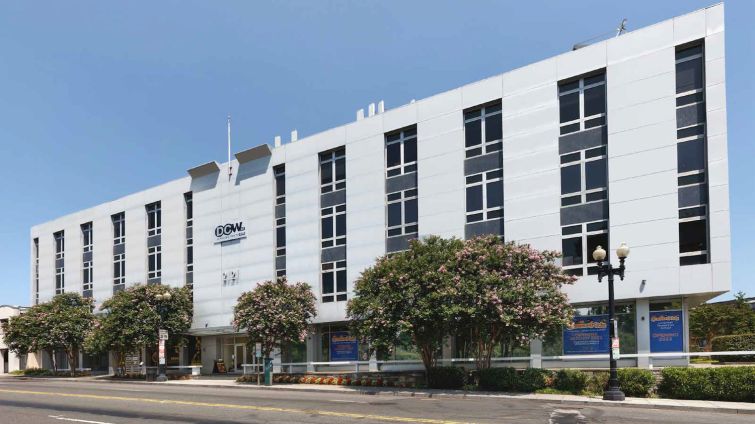
BG Smith owns the six-story, 110,000-square-foot 2121 Wisconsin Ave.
Marx Realty, the New York-based company most recently known for renovating 1307 New York Ave. NW downtown, has a new project. It recently bought the six-story, 110,000-square-foot office building at 2121 Wisconsin Ave. NW for $27.7 million from JBG Smith Properties (NYSE: JBGS), according to public records.
The building was built in 1960 and most recently renovated in 2000. Marx said it was attracted to the tenants there — NexStar Media Group, the major tenant, recently signed a lease for an additional 28,766 square feet on the third floor while language immersion school CommuniKids added 8,900 square feet. Marx, which undertook an extensive renovation of 1307 New York, didn’t go into detail on what its renovation plans would be for the Glover Park property, but said it’s been looking to expand its local holdings and that this was an attractive project given the “flight to quality” in the office world.
“This is a solid asset for our portfolio given the building’s terrific ceiling heights and column spacing,” said Craig Deitelzweig, president and CEO of Marx Realty. “We’ll continue to reimagine unique and special office assets with wide appeal for today’s discerning tenants.”
Marx Realty Acquires Georgetown Office Building in $28M DealFebruary 10, 2022
2121 WISCONSIN AVENUE
By Keith Loria
Marx Realty has acquired a 110,000-square-foot office building in Washington, D.C.’s Georgetown neighborhood for $27.7 million.
The company purchased the six-story building at 2121 Wisconsin Avenue from JBG SMITH.
“At Marx, we are always looking to acquire special properties that are uniquely differentiated,” Craig Deitelzweig, president and CEO of Marx Realty, told Commercial Observer. “We love that the building has incredibly high ceiling heights and great column spacing, which has real appeal to a wide variety of tenants — including the TV studios which recently expanded at the property.”
Deitelzweig was referring to Nexstar Media Group, which recently expanded its footprint in the building to 28,766 square feet, occupying the entire third floor and part of the first floor. Another tenant is CommuniKids, a language immersion preschool, which occupies 8,900 square feet on the first floor.
The property, which was acquired by JBG SMITH in 2011 for $21 million, was recently renovated and includes a new lobby, modernized elevators and a host of green features.
“We have been meeting with architects to further engage and enliven the building with Marx’s signature hospitality experience,” Deitelzweig said.
The annual vacancy rate in Glover Park has consistently stayed below the D.C. average over the past decade, according to analysis by Glover Park Main Street.
“The neighborhood also offers a wide assortment of restaurants, parks and conveniences, including a Trader Joe’s adjacent to the building which our tenants love,” Deitelzweig said. “We are seeing strong demand from potential tenants and we have already traded proposals with a great credit entity for all of the building’s remaining vacancy.”
Drew Flood of Cushman & Wakefield represented the seller in the sale, while the Marx team of Jack Kraus, Paul DiCarlo and Nick Romanoff handled things in-house for the buyer. Mark Wooters and James Collins of Cushman & Wakefield will market the property going forward.
The deal marks Marx’s second acquisition of a building in the District during the pandemic, having acquired The Herald, a 114,000-square-foot 1920s-era office building for $41 million in April 2020.
College leases 40K sf at ex-Sears in YonkersJanuary 24, 2022
SUNY Westchester Community College expanding at Cross County Center

SUNY WCC President Belinda Miles and the Cross County Center in Yonkers (Great Ink Communications/Marx Realty)
By Holden Walter-Warner
Sears may not be providing appliances to the next generation, but its former retail footprint could provide lessons instead.
Marx Realty announced Monday it finalized a 10-year, 40,000-square-foot lease with SUNY Westchester Community College at the Cross County Center in Yonkers. The lease marks a 30,000-square-foot expansion for WCC at the open-air shopping center.
The school previously used its limited space for classrooms and offices for professors. By increasing its real estate footprint, WCC will be able to expand to include new lab space and a design school, as well as additional degree and certification programs.
The school’s expansion takes it into the site of a former Sears location. It will occupy the third floor of the new Target building, set to open later in 2022.
A media representative on behalf of Marx Realty told The Real Deal the asking rent for the space was $65 per square foot.
January 24, 2022
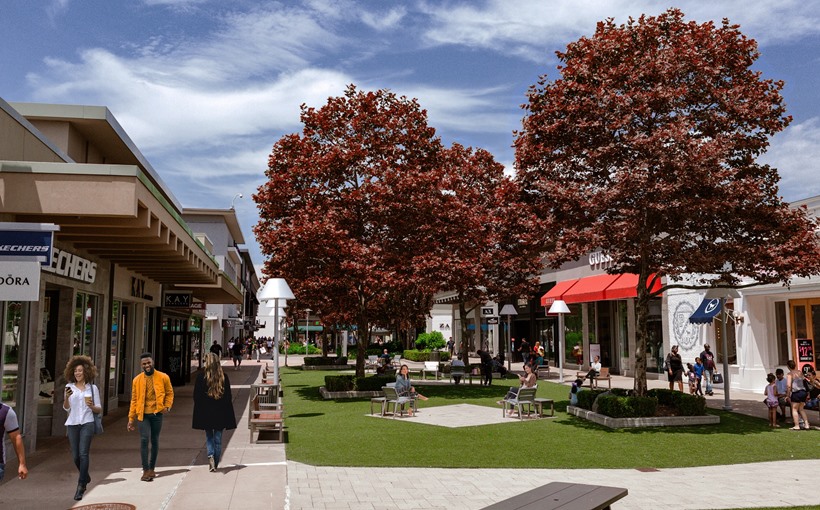
Cross County Center, an outdoor retail and entertainment complex in Yonkers, New York.
By: Paul Bubny
Marx Realty has finalized a 10-year, 40,000-square-foot lease at Cross County Center with SUNY Westchester Community College (SUNY WCC). The college will occupy the third floor of the new Target building and is expanding its footprint at Cross County Center by 30,000 square feet to allow for more extensive classroom operations.
The 1.15-million-square-foot Cross County Center is jointly owned by Marx Realty and Benenson Capital Management and was the first open-air shopping center in the U.S. “Cross County Center has always been so much more than a top shopping destination,” said Craig Deitelzweig, president and CEO of Marx Realty. “We are committed to a future-focused approach that fills a need in the region for an entertainment and lifestyle destination with offerings that range from dining and entertainment to traditional retail spaces.”
This expansion comes a year after Marx Realty announced Target’s 40-year, 130,000-square-foot lease at Cross County.
January 24, 2022
Cross County Center, an outdoor retail and entertainment complex in Yonkers, New York.
By I-Chun Chen – Staff Reporter
SUNY Westchester Community College is expanding to 40,000 square feet of space at Cross County Center, an outdoor retail and entertainment complex, in Yonkers, New York.
Property owner and real estate developer Marx Realty said it has finalized a 10-year lease with the college, which is expanding its footprint at the center by 30,000 square feet to allow for more extensive classroom operations, including additional degree and certification programs. Westchester Community College will occupy the third floor of the new Target building at the center.
The expansion comes about a year after Marx Realty announced Target’s 40-year, 130,000-square-foot lease at the center, which Marx says was the largest retail lease in the tri-state area in 2020. The site, previously occupied by Sears, will be the retailer’s first location in Yonkers when it opens in late 2022.

Target at Cross County Center will be the retailer’s first location in Yonkers when it opens in late 2022.
The 1.15 million-square-foot Cross County Center is jointly owned by Marx Realty and Benenson Capital Management and was the first open-air shopping center in the United States, according to Marx Realty.
Cross County Center has signed several new and expanded leases in the last year. Forever 21 signed a 29,720-square-foot lease, and Armani Exchange signed a seven-year renewal for its 5,025-square-foot space in the center. Also renewing their leases at the center were Express, American Eagle, Cohen’s Fashion Optical, Five Guys and local dessert shop Cookies’N’Cream. H&M also signed a 10-year lease renewal to occupy 28,000 square feet where the retailer has incorporated its urban Soho concept and is investing $5 million in the location.
“Foot traffic at the center remained robust even as the nation in general, and the retail sector more specifically, were recovering from the pandemic,” Marx Realty President and CEO Craig Deitelzweig said in a statement. “The open-air experience combined with the diverse tenant mix and our vision for the future of this asset have caught the eye of major retailers, eateries and experiential users and we are in negotiations with several well-known brands who are keen on planting a flag at Cross County.”

Marx Realty just announced that private investment firm, Orangewood Partners, is relocating from 9 West 57th Street to the company’s newly renovated 545 Madison Avenue. Orangewood has signed a seven-year lease for a 10,000 s/f pre-built suite on the third floor of the Plaza District building. Ben Friedland and Taylor Scheinman of CBRE represented Orangewood while Marx Realty was represented by the Cushman Wakefield leasing team of Tara Stacom, Harry Blair, Peter Trivelas, Remy Liebersohn, Connor Daugstrop and Bianca Di Mauro. The asking rent was $87 psf.
“The workplace as we know it is continually being redefined and design details have become an extremely important part of the equation,” said Craig Deitelzweig, president and CEO of Marx Realty.

“The hospitality-infused office aesthetic we’ve pioneered across the country truly sets us apart from the competition and positions our assets for success as the flight to quality in the office sector is amplified by the market conditions and employers seeking to provide inspiring and welcoming spaces to attract and retain talent.”
A $7 million renovation at 545 Madison included a reimagined lobby, pre-built office suites and will ultimately boast a 7,000 s/f of indoor/outdoor club space on the 8th floor .
“Our strategy is, and always has been, about answering the demand for truly special office spaces that inspire creativity and speak to the ‘heart and soul’ of the occupying firms,” said Deitelzweig. “Brokers representing leading financial, media and technology firms continue to sing the praises of the signature hotel-like style we’ve brought to markets across the country including New York, Atlanta and Washington. They know that companies want to bring their employees back to a beautiful space.”
Plans for the club floor, branded the “Leonard Lounge” at 545 Madison include a ceiling- suspended fireplace, bar seating overlooking a landscaped terrace and a 40-seat boardroom to give tenants the option to work or unwind in a space outside of the traditional office setting. A café with built-in appliances give tenants the ability to host catered events in the lounge and Marx Realty’s signature scent will also infuse the amenity spaces. Additionally, Marx Realty’s proprietary Marx Connect software interface will be implemented to minimize physical interaction as the doorman and lobby personnel work in tandem to reduce the need for tenants and visitors to come in contact with surfaces as well as providing an easy flow into the building.
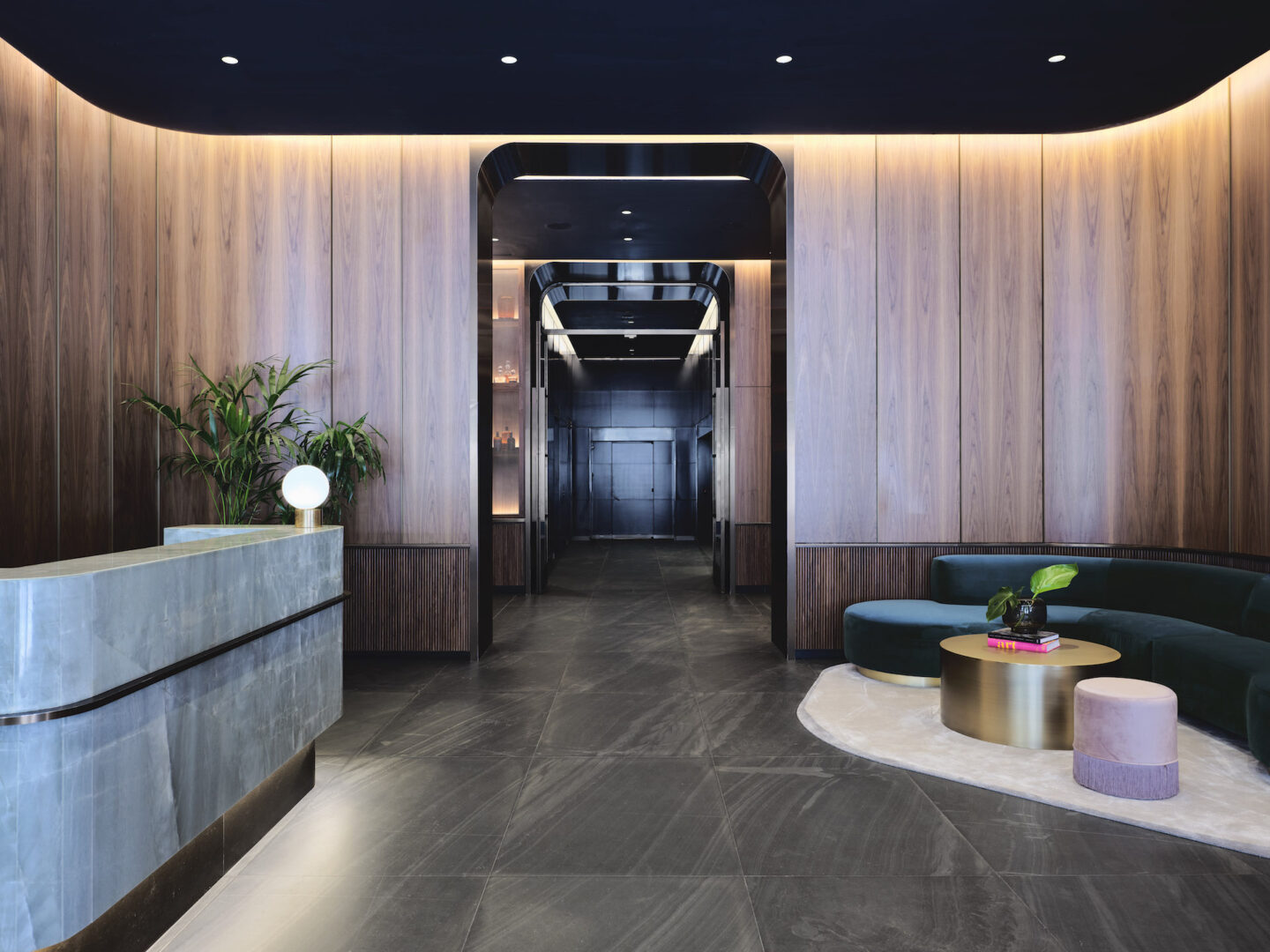
David Burns and Kristin Kaiser of Studios Architecture worked with Marx Realty’s in-house design team reimagine the lobby and amenity spaces at 545 Madison. OTJ Architects, along with Marx Realty’s in-house design team, created the pre-built suites on the third and fourth floors. Additional tenants at 545 Madison include corporate offices of Snow Phipps, Home Shopping Network, Strike GTS and top-tier wealth management companies.
DEAL DASH: Renovated ‘Herald’ building lands more tenants
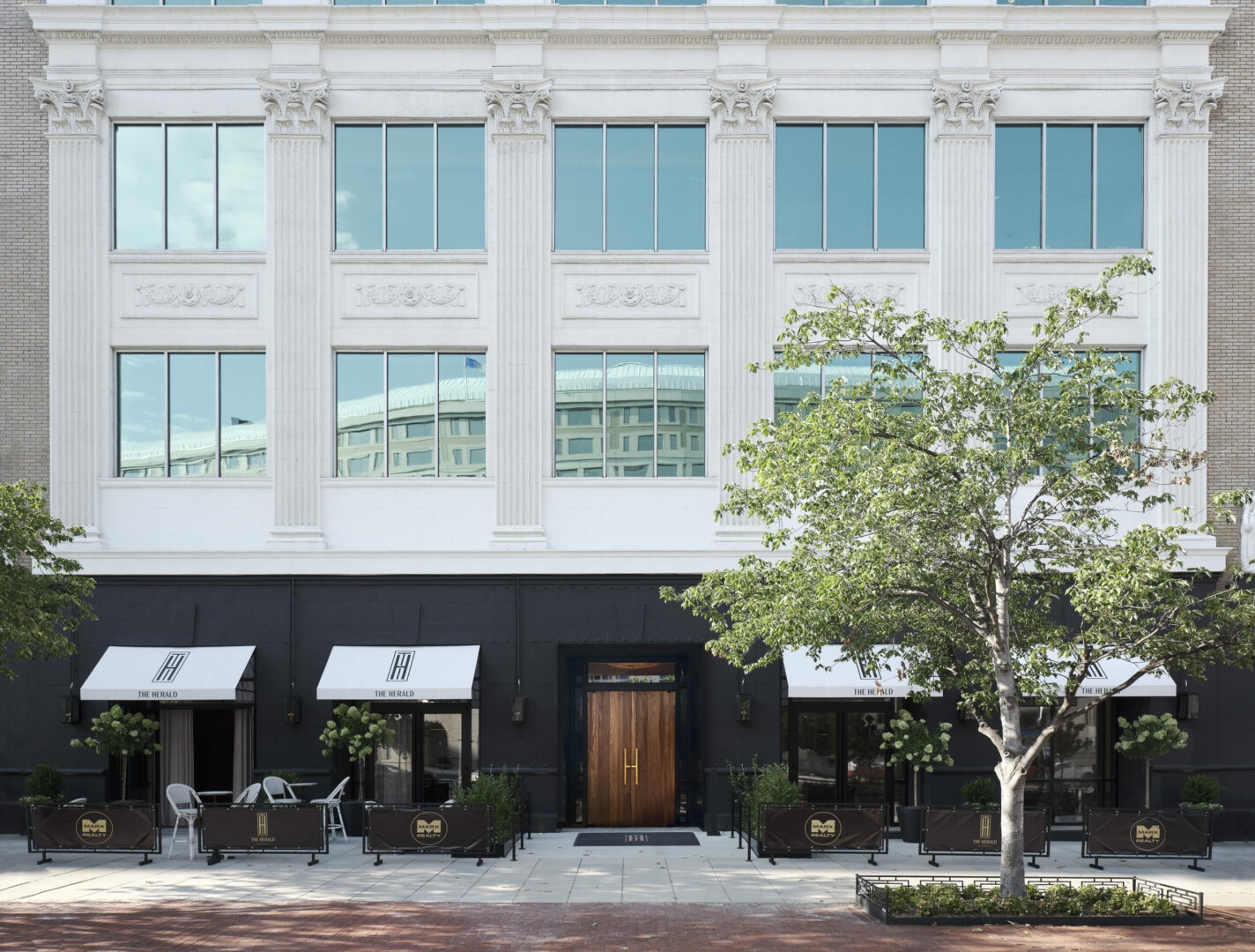
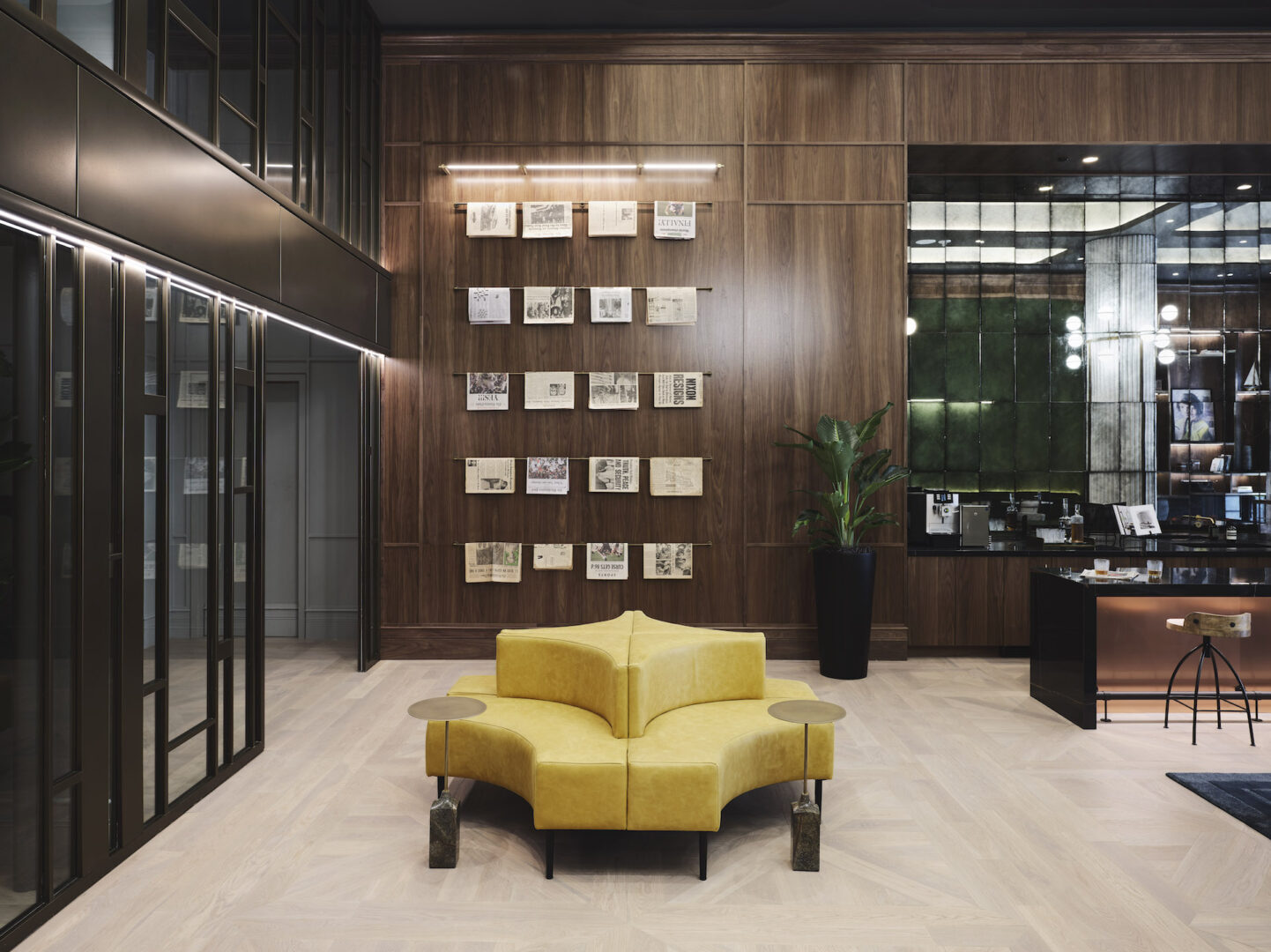

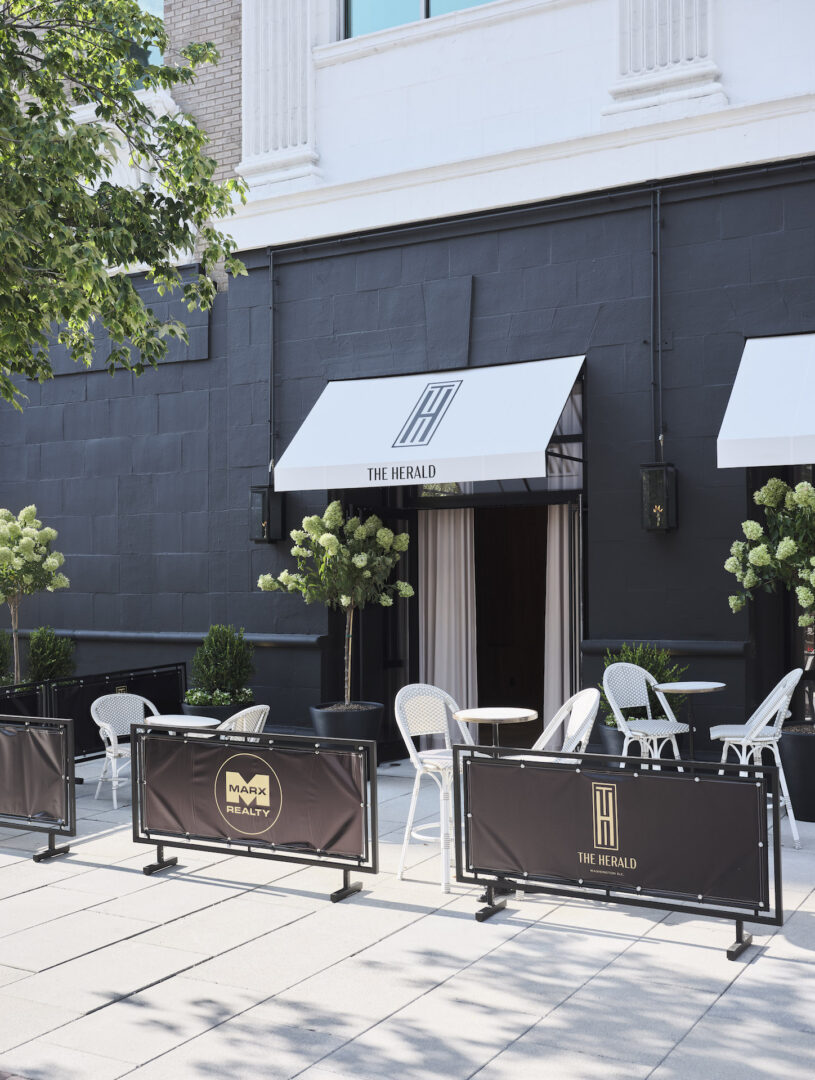
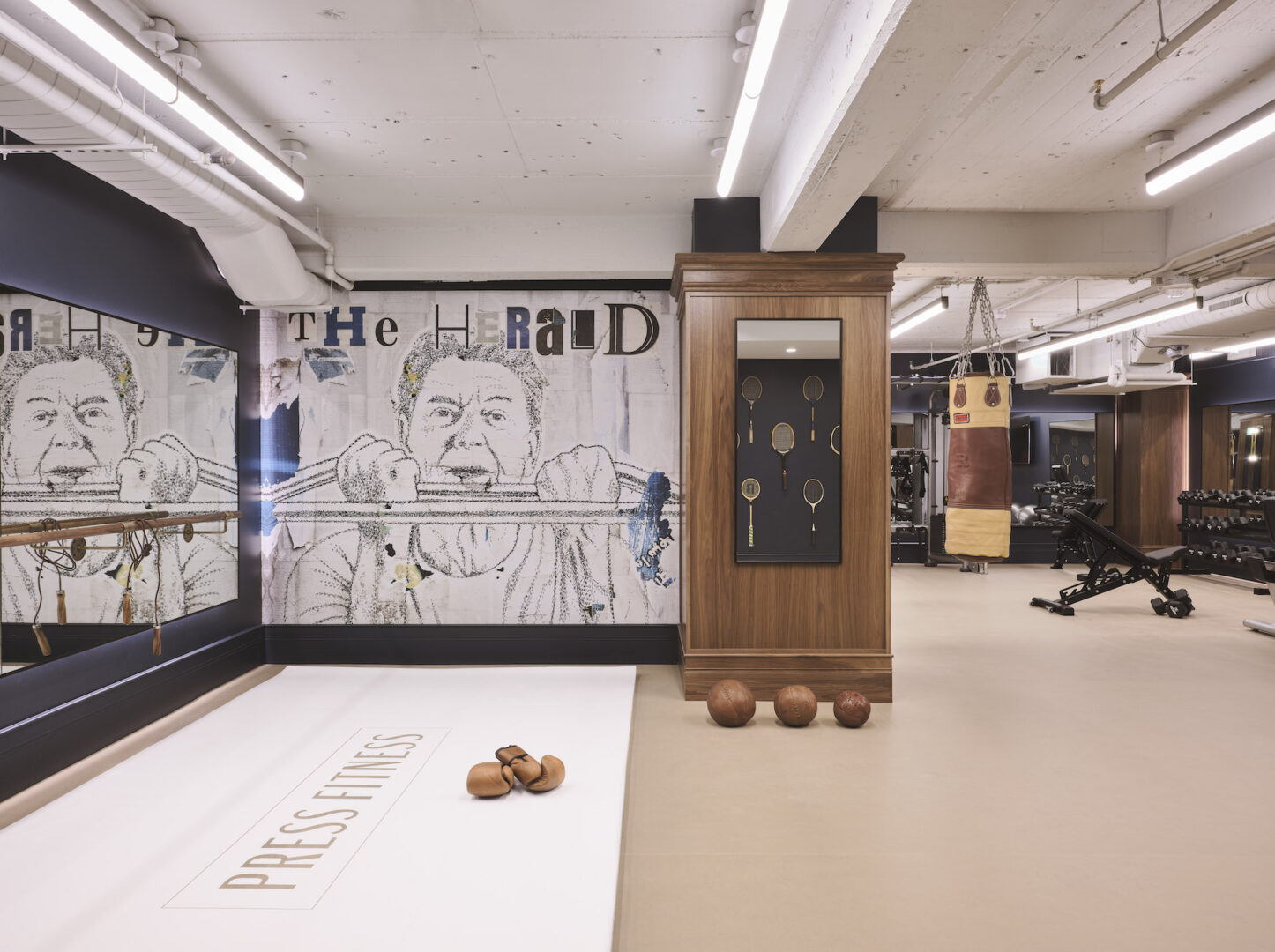
Marx Realty has signed on two more tenants for its newly renovated office building, The Herald at 1307 New York Ave. The Barbara Bush Foundation for Family Literacy signed a seven-year, 6,000-square-foot office lease, while Scott Circle Communications signed a five-year, 3,200-square-foot office lease, both on the building’s seventh floor. They will join conservative lobbying firm CGCN Group and an undisclosed economic think tank in the 114,000-square-foot building.
The circa-1923 building, which completed a $41 million renovation earlier this year, was a one-time workplace of Jacqueline Kennedy Onassis and home to the Washington Times-Herald.
Brokers for the deals include Doug Mueller, Evan Behr, Nathan Beach and Jeanette Ko of JLL for Marx Realty, Creighton Armstrong and Lauren Thomas of JLL for Scott Circle Communications; and Chris Lucey and Doug Damron of Newmark for the Barbara Bush Foundation.
Two new companies have inked space at the renovated Herald Building in Washington, D.C., with owner Marx Realty. The companies took a total of 9,200 square feet at the 114,000-square-foot building, which reopened after a major facelift earlier this fall. Nonprofit Barbara Bush Foundation for Family Literacy signed a seven-year lease for a 6,000-square-foot space on the seventh floor, while marketing firm Scott Circle Communications signed a five-year, 3,200-square-foot office lease for one of the building’s pre-built suites on the seventh floor.
“This level of momentum illustrates the demand for highly distinctive space,” Craig Deitelzweig, president and CEO of Marx Realty, told Commercial Observer. “We have been very pleased with the caliber of our new tenants and expect more to follow suit very shortly.”In April of 2020, Marx Realty acquired the historic building in a $41 million deal. Located at 1307 New York Avenue, the building was built in 1923, and previously served as home to the Washington Herald Examiner’s offices and printing presses. Marx Realty invested an additional $41 million to transform the entire building, renovating everything from the lobby to the club floor to the pre-built office suites. The property reopened on Sept. 21. Amenities at The Herald include a 40-seat boardroom, a European-style cafe and the Bouvier Lounge, an 8,800-square-foot club floor that incorporates historic photos, curated artwork, newspaper printing memorabilia and a fireplace. The new leases follow CGCN Group’s 10-year, 8,000-square-foot lease signed in September. Asking rent at the property is $72 a square foot, according to someone familiar with the property.
“Tenants love the hospitality-infused aesthetic and incredible ceiling heights,” Deitelzweig said. “They are responding to how special the space is and they are really excited to introduce the space to their employees and guests.”In connection with each lease, three native trees will be planted in local D.C. neighborhoods as part of Marx Realty’s mission of creating a healthier environment for both its offices and the surrounding environment. Marx Realty was represented by Doug Mueller, Evan Behr, Nathan Beach and Jeanette Ko of JLL; Scott Circle Communications was represented by Creighton Armstrong and Lauren Thomas of JLL; and the Barbara Bush Foundation was represented by Chris Lucey and Doug Damron of Newmark. A third lease, from an unnamed think tank, took 7,000 square feet of space on the fifth floor. Marx Realty declined to share the name of the tenant. JLL’s Andy O’Brienand Zach Boroson represented the tenant. The tenants and brokers did not immediately respond to requests for comments.

How much longer can this go on?
I believe we are very close to the end of the ill effects of the pandemic, and people have been realizing that high vaccination rates are allowing for a safer environment. As a result, we are starting to see a lot of mass events, crowded restaurants and energy coming back. Everyone is eager to return to some sort of normalcy.
What does normal look like?
I know life will be back to normal when Google buys another $2.1 billion office building in New York … wait, that just happened. The smart money seems to be moving in the direction of normal.
What is “normal” anyway? On the streets, the feeling of normalcy seems so close, if not already there, so a return to the next normal is well underway. Even pre-pandemic, the office model was continually shifting. Our assets are capturing the same attention from marquee tenants today as they did in 2019, and, while I won’t claim to have anticipated a global pandemic, our hospitality-inspired office product has weathered the storm well.
If you could go back in time to March of 2020, what’s the first thing you would do?
I would buy stock in Tesla (up 743 percent) and Etsy (up 302 percent) in 2020.
In terms of our business model, I wouldn’t change much over the last few years. The path we’ve been on since 2018 was curated for the future; to always stay ahead of the curve; to be well-positioned for the next generation of tenants and workers. Nonetheless, we are continuously evolving and look to improve to produce the most inspiring office environment for our tenants.
What do you do now that you never did before 2020?
I now swim every morning at 5:20 a.m. Best exercise.
What’s the biggest threat to the return to normal?
The only thing to fear is fear itself.
Is now the time to buy or sell?
It depends. On the office side we are seeing that our hospitality-infused office product is very well-positioned for the needs of today’s tenants who are seeking inspiring space to help retain and attract talent and to bring everyone back to the office — so we are buyers.
If you have a commodity office building, it’s time to start thinking about your exit strategy or consider a partnership that can transform that commodity building into an asset that stands apart from all others.
Suddenly, there’s a big change to the New York state constitution and you’re now named the 58th governor of the Empire State — what do you do about the eviction moratorium?
It’s time to protect contractual property rights. And, while I’m at it, I’ll move mountains of Prime delivery boxes to get an Amazon headquarters here in New York!
Lightning round
Eric Adams or Curtis Sliwa?
Anyone who supports New York and its businesses is my favorite!
Last time you got on an airplane, what was your destination?
Two weeks ago. We went to Puerto Rico.
What vax did you get?
Pfizer.
Your go-to takeout?
I prefer to dine in or dine outside. Takeout is so 2020.
Where does your patience wear thinnest — evictions or anti-vaxxers?
I’m not anti anything or anyone. I’m pro-property rights and pro-vaccinations.
October 9, 2021
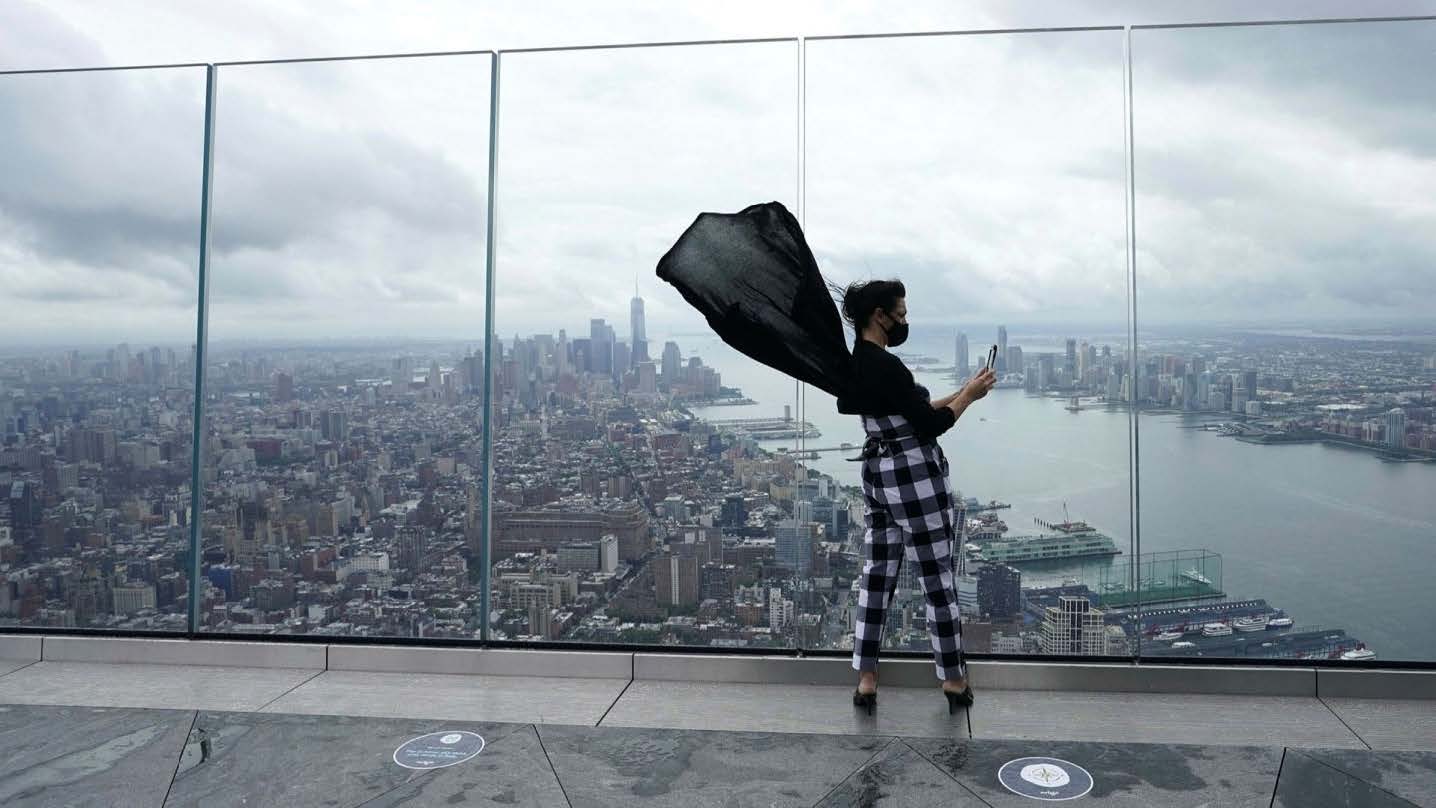
Post-pandemic shake-up in New York’s buildings could change the nature of the city
Joshua Chaffin in New York
When the mayor and other dignitaries gathered a year ago to cut the ribbon on
One Vanderbilt, one of Manhattan’s newest and most advanced office towers, the
festivities were marred by a pandemic that has raised existential questions about
the future of such buildings.
Yet One Vanderbilt is now more than 90 per cent leased. Its newest tenant is
UiPath, a robotics software company that last month signed a 15-year lease to
take the entire 60th floor.
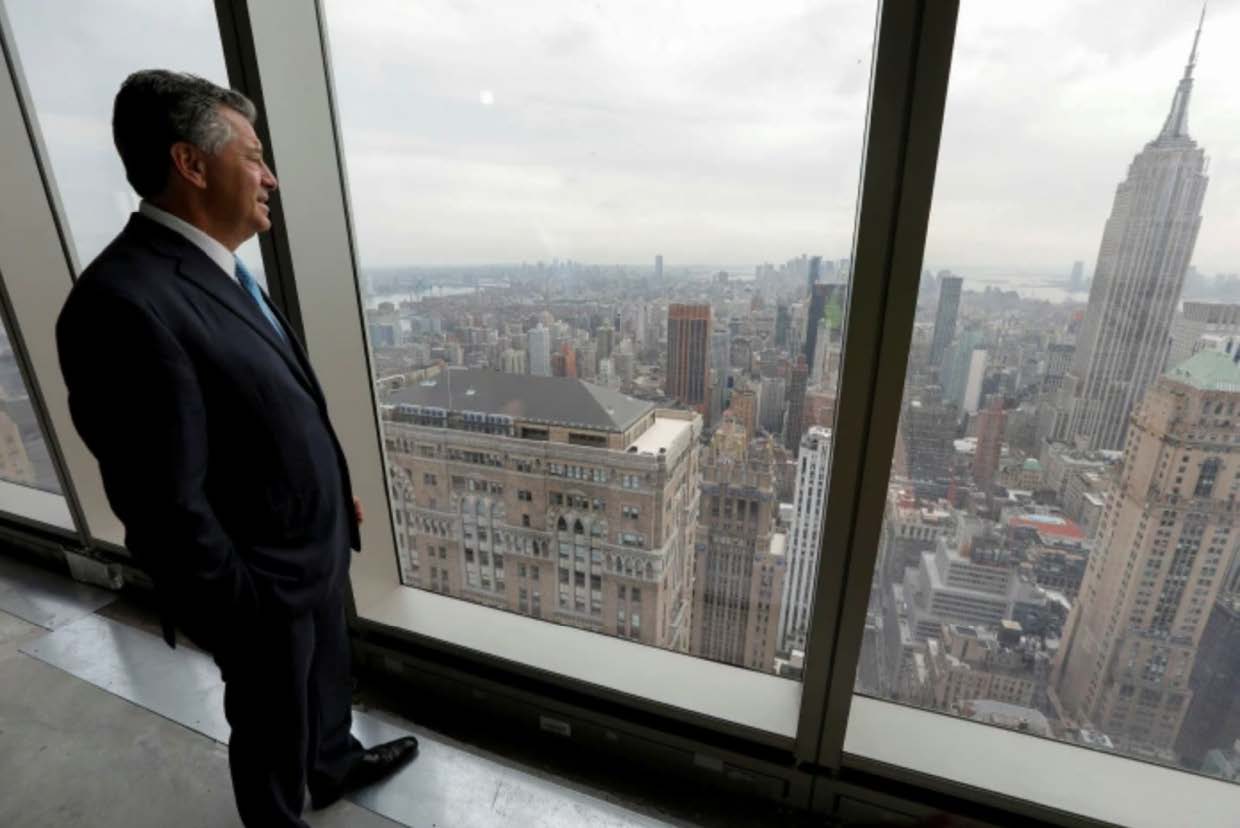
“I wish I had 20 more floors because if I did we could lease them,” Marc Holliday,
chief executive of SL Green, One Vanderbilt’s developer and New York’s largest
office landlord, crowed.
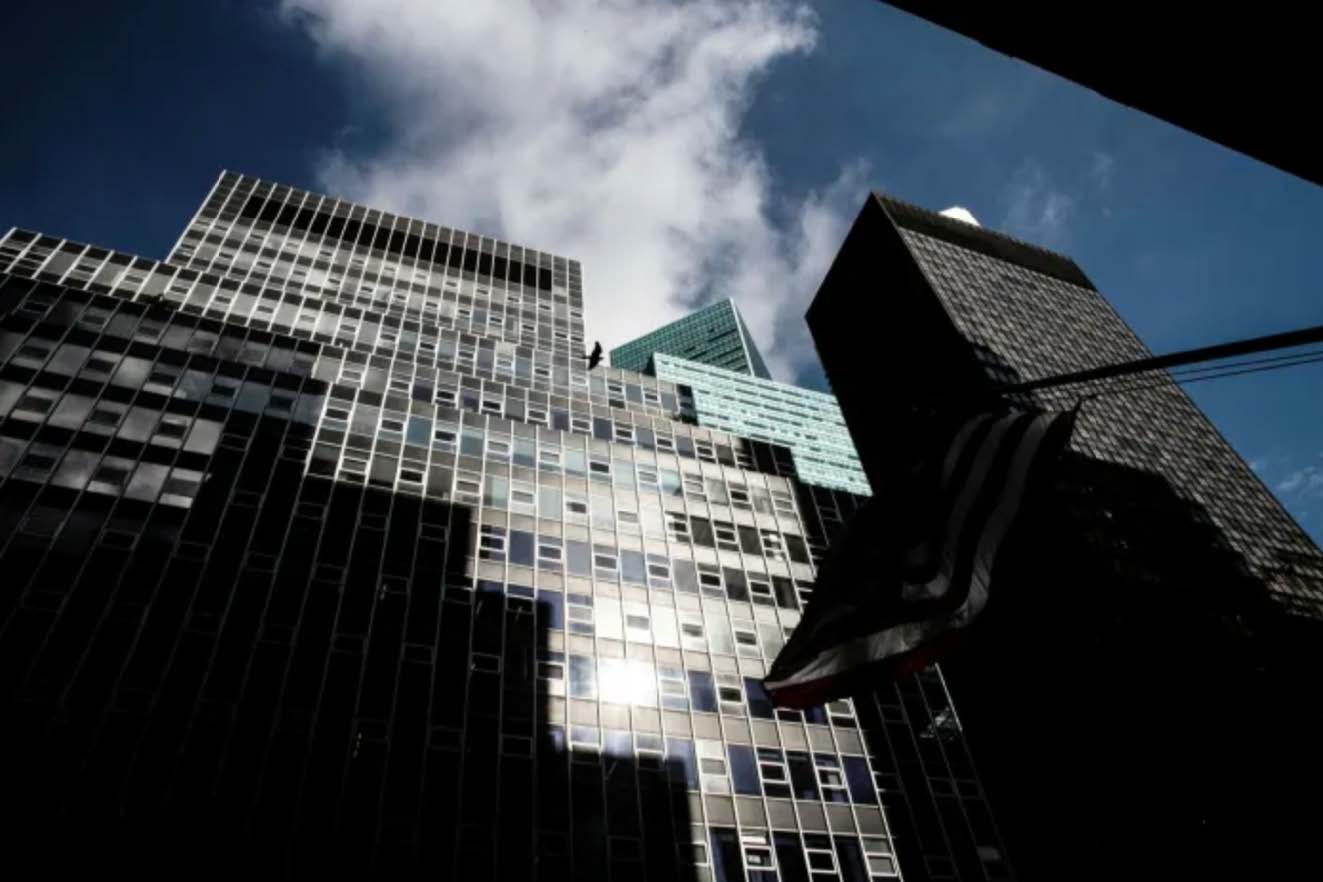
A few blocks away, another Manhattan office building was suffering a different
fate. 850 Third Avenue, a glass-and-steel edifice that opened its doors in 1960,
was almost half vacant and its owner, the Chetrit Group, was struggling to avoid
foreclosure after falling behind on its mortgage.
The diverging fortunes of those towers says much about the world’s largest office
market after 18 months of pandemic: the most sought-after buildings — whether
they are brand new, like One Vanderbilt, or newly renovated, like Google’s
$2.1bn St John’s Terminal — are still attracting tenants and fetching top rents
while the city’s large stock of dated towers is suffering.
“We now have a bifurcated market in office leasing, where the marquee buildings
are escaping the pandemic relatively unscathed for the time being, with the
lower and middle classes bearing the brunt of the losses,” said Ruth Colp-Haber,
the chief executive of Wharton Properties, which advises tenants.
That dynamic is reflected in data collected by CBRE, the commercial real estate
firm, which divides the 844 Manhattan office buildings it tracks into two
categories: “better” and “commoditised”. It found the former enjoyed higher
rents and lower vacancies and saw less space being dumped on to the sublease
market over the past two years.
“We’ve seen proof in the leasing in the last six months that if it’s brand new and
it’s well located, it’s been very successful. Many of them are at or above prepandemic
levels,” said Paul Amrich, CBRE’s vice-chair. Meanwhile, other
buildings — burdened by poor location, low ceilings, small windows or other
flaws — “could become obsolete”, Amrich warned.
Or, as Craig Deitelzweig, chief executive of Marx Realty, put it: “If you’re a
commodity building, you’re dead . . . Everybody wants a Google office.”
As the pandemic drags on and companies struggle to bring employees back to
their desks, that conviction is leading many real estate executives to anticipate a
generational shake-up in New York’s office buildings that could change the city
itself.
They believe owners will soon have to decide whether they are prepared to
invest hundreds of millions of dollars, as Marx and others have done, to
“reposition” older buildings with the features that were popularised by west
coast technology companies and which have now become de rigueur.
Some may forgo that and decide they can make do with lower rents. Others may
be forced to sell — particularly those owners who are highly levered.
“We’re going to see a lot of new buildings over the next 10 years,” Michael Cohen,
president of the New York region at Colliers, a commercial real estate firm,
predicted, noting that many landlords in Midtown have inserted “demolition
provisions” into leases to make it easier to tear down buildings, if they opt to do
so. “Capital is circling the city, looking for opportunities,” he said.

The move to update New York’s office stock was afoot well before coronavirus. It
was encouraged by the notion that office decisions once determined by
proximity to the chief executive’s residence should instead be governed by the
need to attract talented young workers, who could just as easily join an
investment bank or a tech firm.
The pandemic is accelerating that shift. The economic crisis has wiped out some
tenants in lesser buildings or prompted them to downsize. Meanwhile, others are
taking advantage of a rare opportunity to jump to towers with more cache on
favourable terms, further hollowing the weaker buildings.
Then there are the amenities. Covid-19 is making “wellness” items like purified
air and access to gardens essential — not optional. It has also brought forward
the once-distant threat of remote working. In order to lure workers back to the
office, many companies are embracing the idea that they must make their space
more appealing than a home office or a Starbucks.
“There’s an expectation today that top buildings will have conferencing facilities,
cafés, town halls, specific wellness function rooms, gyms, studios, travel showers
and bike rooms — the list goes on and on,” Holliday said. He might have also
added music studios, where employees can play their instruments to
decompress.
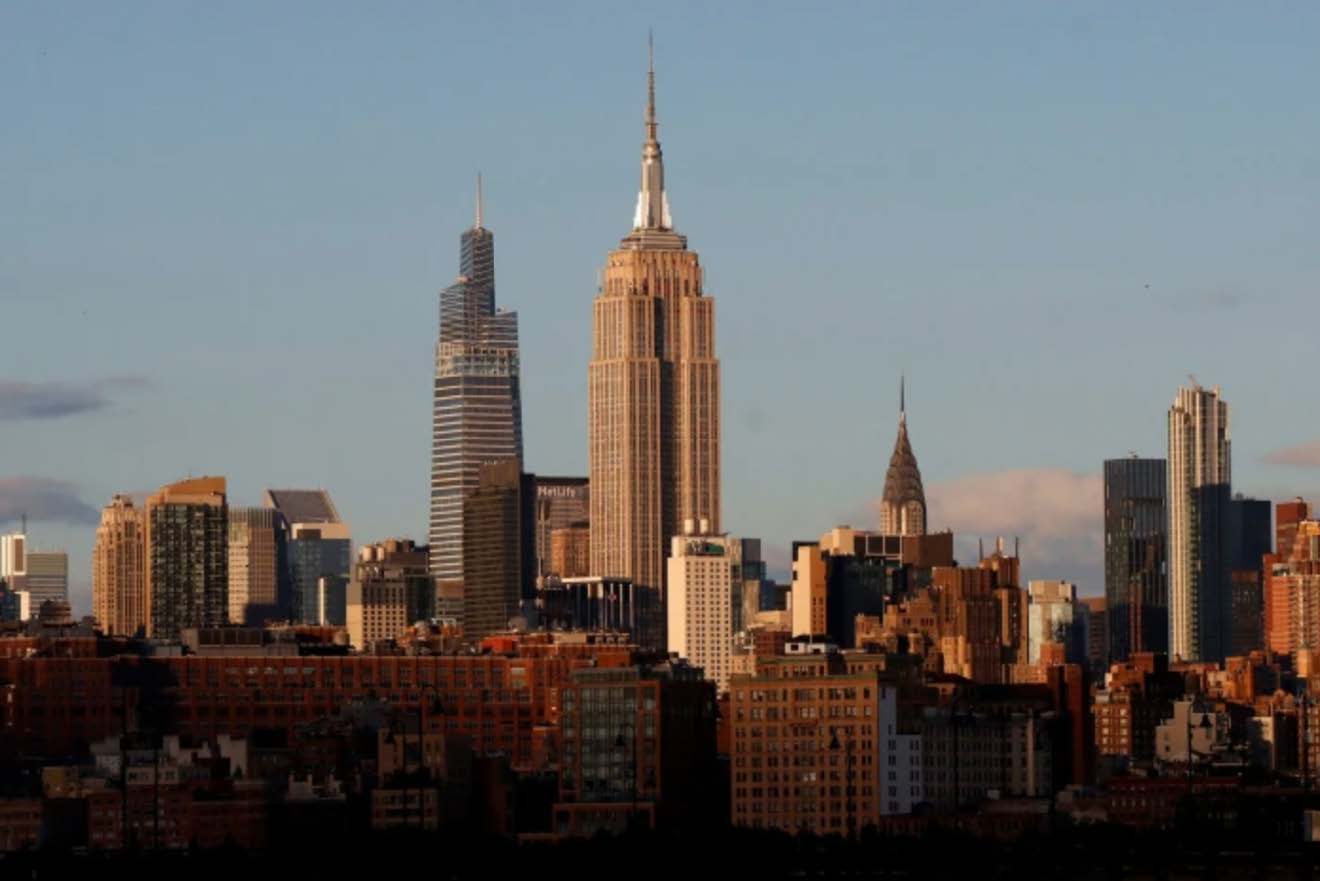
The $3.3bn One Vanderbilt is crammed with such offerings. The 1,400-foot
tower, which soars over Grand Central Station, offers commuters direct access to
the subway without having to leave the building. Among its dining options is a
new 11,000 square-foot restaurant by chef Daniel Boulud.
Not everyone is gearing up to compete with One Vanderbilt. Jeffrey Gural, a
second generation New York developer who has seen booms and busts, is
sceptical of the amenities arms race. “The Googles of the world are on a different
planet,” he said, adding, “not everyone can pay $100 a square foot”.
Even with Covid-19 and remote work, Gural believes there will be a market of
smaller tenants and is hopeful that his prewar buildings, erected in the 1920s
and 1930s, will be insulated by their historic character. But, he conceded: “Maybe
the older glass buildings that were built in the ’60s and ’70s will suffer.”
That generation of office towers flourished in Midtown as financial firms fled
downtown after the second world war. Many were showing their age before the
pandemic arrived.
Asking rents for offices in Midtown have fallen for five consecutive quarters,
according to Colliers. They are down 8.2 per cent since March 2020, when the
pandemic forced New York City into lockdown. In addition, landlords are having
to dole out added sweeteners, such as unusually generous tenant improvement
allowances.
Dan Shannon, a partner at MdeAS, an architecture firm that specialises in
repositionings, says his phone is ringing with inquiries about fading towers along
Third Avenue, like the Chetrit building, which lack the prestige of their more
central competitors on Park Avenue and Madison Avenue. Repositioning is faster
than new construction, he argued, and less constrained by onerous zoning laws.
Done well, it holds the promise of blending the best of old and new.
“They have to be more attractive, definitely,” Shannon said of the buildings.
“They need to get in front of it.”
While some of those Third Avenue towers will be revived, or put to other uses,
the Darwinian churn of Manhattan real estate suggests that not all will survive.
“In any cycle like this, you’re going to see pressure on the bottom 10, 15, 20 per
cent of the inventory that’s going to shake out,” Holliday said. “There are
buildings that are going to be demolished and make way for new construction.”