Contact
What Hybrid Work Looks Like For a CRE Firm
The saying that sauce for the goose is sauce for the gander—these days phrased as good for the waterfowl—has been around for many hundreds of years. When it comes to commercial real estate companies and hybrid work, it’s true. CRE or some other kind of office tenant, there are those that swear one way or the other, and probably a lot more scratching their heads, trying to understand what will work best.
If owners and operators heavily used hybrid work, the conversations would seem easy to envision.
“You really need to be back in the office, to keep corporate culture going, to keep collaboration and innovation in your organization,” the building owner would say.
“Uh, but you’re working hybrid,” the tenant would answer.
“Oh. Right.”
It would be like a vegan owner of a burger restaurant urging customers to chow down on an extra helping of beef.
But things aren’t so simple or clear.
HYBRID BY SUBSECTOR
“The occupier of that side of the equation have been slower to return to offices than those who are in the real estate busi-ness themselves,” Darin Buelow, principal and global lead for location strategy at Deloitte Consulting, says. “If you’re in the real estate business, you have an intrinsic sensibility that it would be good to try to demonstrate and lead from the front, that your work can be done in the office. If that’s how you make your company, it makes sense that they’re trying to get people to come in.”
Part of the dynamic depends on where a CRE company fits into the industry.
“I have a gut response even to the concept,” says AmTrust RE President Jonathan Bennett. “You don’t really see it that much. The drinking of the Kool-Aid is what you see some reports on, that owners want to bring people back to the office because it’s a self-fulfilling prophecy. That seems to be a fairly consistent theme, that real estate companies aren’t huge fans of hybrid.”
“Particularly on the landlord and broker side, you certainly see them eating the food that they cooked,” Jason Aster, managing director of KBA Lease Services, a lease review company, says. “I know a lot of landlords that were back in the office after the pause.”
“Because we’re in the office business, we came back in 2020, then we looked around and went, where is everybody?” Jeff Shaw, CEO of integrated real estate investment manager Bridge Commercial Real Estate, says. “We stayed in and did hybrid early. We were able to figure out pretty quickly that we could keep people feeling safe and function in a hybrid environment. We provide lunches, we do a lot of activities together, and it’s helped us to maintain a very positive culture. When the world seems unsteady and there’s some stability in your company, it helps build loyalty.”
Aster says that brokerages have had more of a struggle. “Most of them embraced hybrid as there’s always an opportunity for them to work remotely but having to be in the office four days a week instead of two days,” he says. For his firm, the focus has been on creating a community that helps with retention.
“It’s not like we’ve mandated three or four days in the office,” Aster says. “We’ve mandated larger team meetings that everyone comes to.” Those meetings usually involve food or an outing.
Marx Realty, which owns several office buildings in New York, Atlanta, and Washington, D.C. is “in the office Monday through Thursday and then we work from home on Friday,” says CEO Craig Deitelzweig. “Especially the young people, they want to be in the office. The office has all the benefits of home but so much more. More space, technology, latte machines, coffee, snacks, all that kind of stuff. We have large terraces in the building. People love to work on the terraces and be outside, sort of their own private oases. We never mandated anything. We asked people to do that, and they’ve done it happily since July 2020. But we all understand we do our best work together.”
Greg Martin, principal and managing director at the Fort Lauderdale office of Avison Young, prefers that his team work in the office. “We have not employed it, but at the same time we’re out promoting this,” he says. “It works out better for our team. We never went there. Our team’s success is driven by collaboration and the fact that we’re all together.”
But nothing is set in concrete and steel. While Martin’s team works in the office, the company doesn’t mandate it for everyone.
“As far as I can tell, every company is approaching it in their own way, in their own manner,” Martin says. “It’s hard to ignore the fact that our industry is made up of independent contractors in the brokerage world. Depending on the structure of the team, I think we’ve seen the community embrace that. Companies have followed through with the technology. We are definitely employing the hybrid work model. I believe that hybrid working, flex working, is here to stay. It’s part of most staffs’ operating design. The workforce has been demanding it. Short of a few sectors, it hasn’t been a problem. People want to be able to get hold of their property manager or engineer.”
EMBRACING CHANGE
That may be the biggest lesson. Shaw says that the industry is complex and that a one-size-fits-all approach doesn’t necessarily work. “There are so many jobs and nuances of the jobs in what you’re selling and how you’re selling it, so it’s hard to generalize.”
Take Michael Silver, chairman and managing broker of global real estate occupier service provider Vestian, for example. On one hand, the company has enough offices that he starts to lose count.
“I have I don’t know how many offices,” Silver says. “I have people all over the place.” He then rattles off six offices in India, three in China, one in Mauritius, and “about 18 in the US.”
But Silver doesn’t set absolutes when it comes to making the business work. “I absolutely use one of three things,” he says. “Either I use a permanent office, or I assign a coworking space, or sometimes people want to work out of their home.”
“In the Chicago area, we have a floor in a nice office building, and it works out,” Silver adds. “In New York, we have a nice floor in a small building. Not everyone comes into the office. I never had a mandate that salespeople sit in the office rather than go out and sell. If we’re starting a new situation and have 4 or 5 people, we’d use a WeWork or Industrious. I’m not unhappy about it. We screen the people ahead of time, the people are out with their customers, and I save money. Money I save in office space I can put toward technology or recruiting.”
“Cherre was always hybrid,” says L.D. Salmanson, CEO of the data integration and analysis company. “We’ve always had an office, but we’ve never forced people to the office. However, what I used to say before the pandemic is, ‘If I don’t know your face because I haven’t seen you around enough, that’s not good. Be on your own schedule but I’d like to know your face.’”
They had Monday morning meetings and that was the day the office was mostly full. Then came the pandemic. Cherre was already set up for people to work remotely. “Clearly mostly people are home and every once in a while, they’re here,” Salmanson says. “I’m not planning to change that. If I’m forcing people to go to the office, I have to pay more money.”
Not just in salary, because convenience has a value to workers, but in hard costs. The company currently employs about 140 people and will be hiring. If in the office, “that’s desks” with computers and phones, Salmanson explains.
“I’d need a lot more conference rooms, a lot more phone rooms,” he adds. “If I forced everyone to go back to the office now my best employees would leave. It’s still the case that you have to compete for top talent. I couldn’t get them back in the office and there’s a little leniency on price if someone is remote, people are conditioned, and I don’t know that I’d win. I’m skeptical that I’d see the perceived benefits.”
It makes things more complicated. “Does it mean I’d need a new way to onboard people? Yes,” Salmanson says. It’s harder to do certain types of training, like in sales. “But nobody asked my opinion. My opinion doesn’t matter. I have to be candid about where I am.”
Finally, there’s the question of whether pushing to show office usage in CRE actually helps the business, particularly the office sector, as multifamily, industrial and logistics, medical, retail, and other such uses may have a more naturally high occupancy rate.
Right now, there’s no evidence suggesting that CRE companies working in their offices are inspiring others to do the same.
“We know writ large looking at all kinds of occupiers, occupancy across the country seems to be around 40%, 45%,” Deloitte’s Buelow says. “If we don’t have a recession, I would not expect that number to move up over the mid-40s very much. Then the question becomes how long will tenants continue to operate with mostly empty spaces before they decide to do something about it? I think most are waiting and I’m wondering how much longer most of them will wait. As leases come up for renewal, that’s a natural period when tenants can make deci-sions about what they’re going to do.”
And when they make that decision, they’re probably not thinking, “I wonder how much time the broker spends at a home office?”
Marx Realty Signs Finance Firm and SIOR to Repositioned Herald Building
Marx Realty, a New York-based owner, developer and manager of office, retail and multifamily property nationwide, said financial services consulting firm FS Vector and SIOR have committed to long term leases at The Herald in Washington, DC. FS Vector will take 5,700 square feet and SIOR will take 5,000 square feet of space at the recently repositioned office building located at 1307 New York Ave.
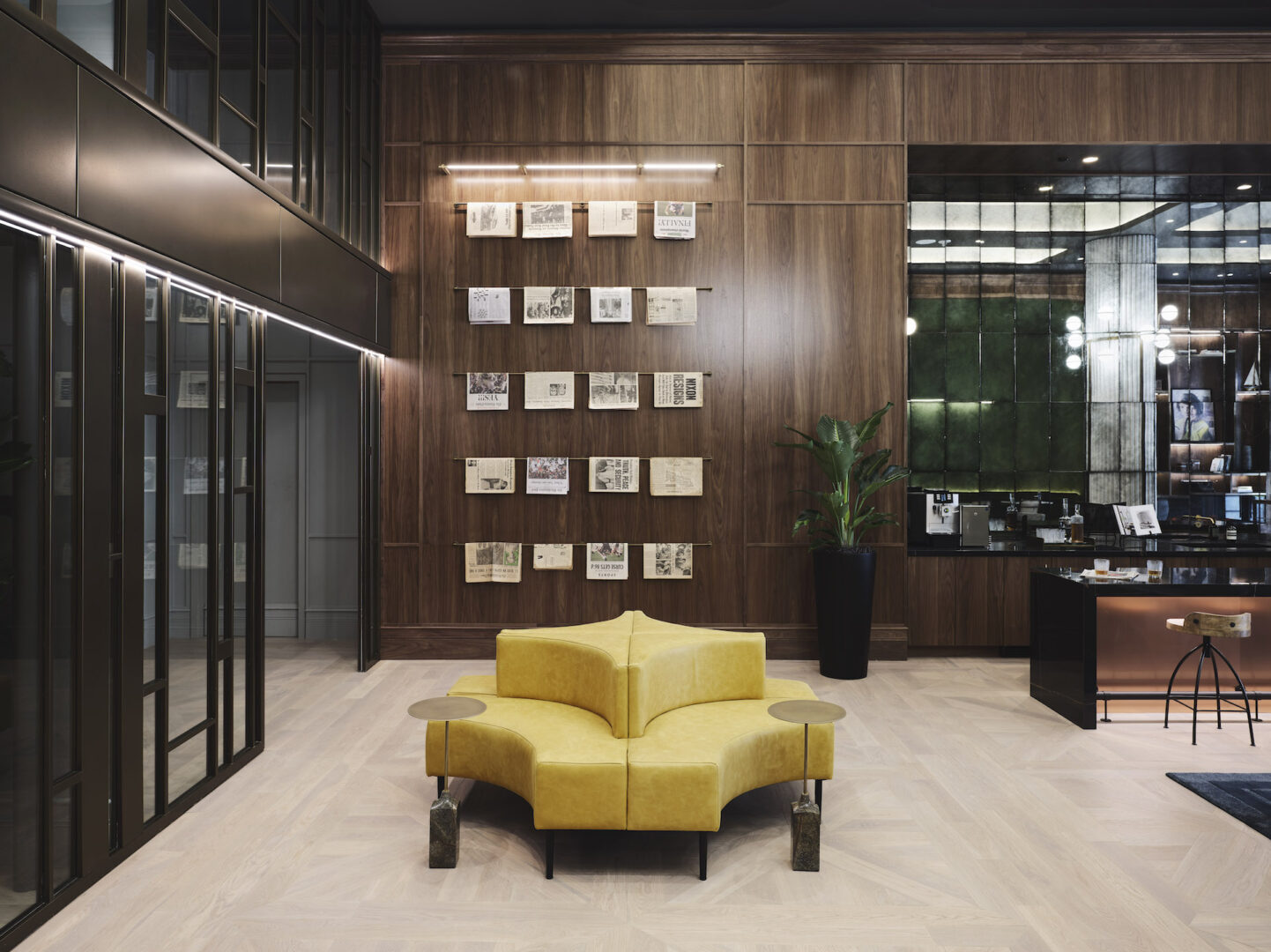
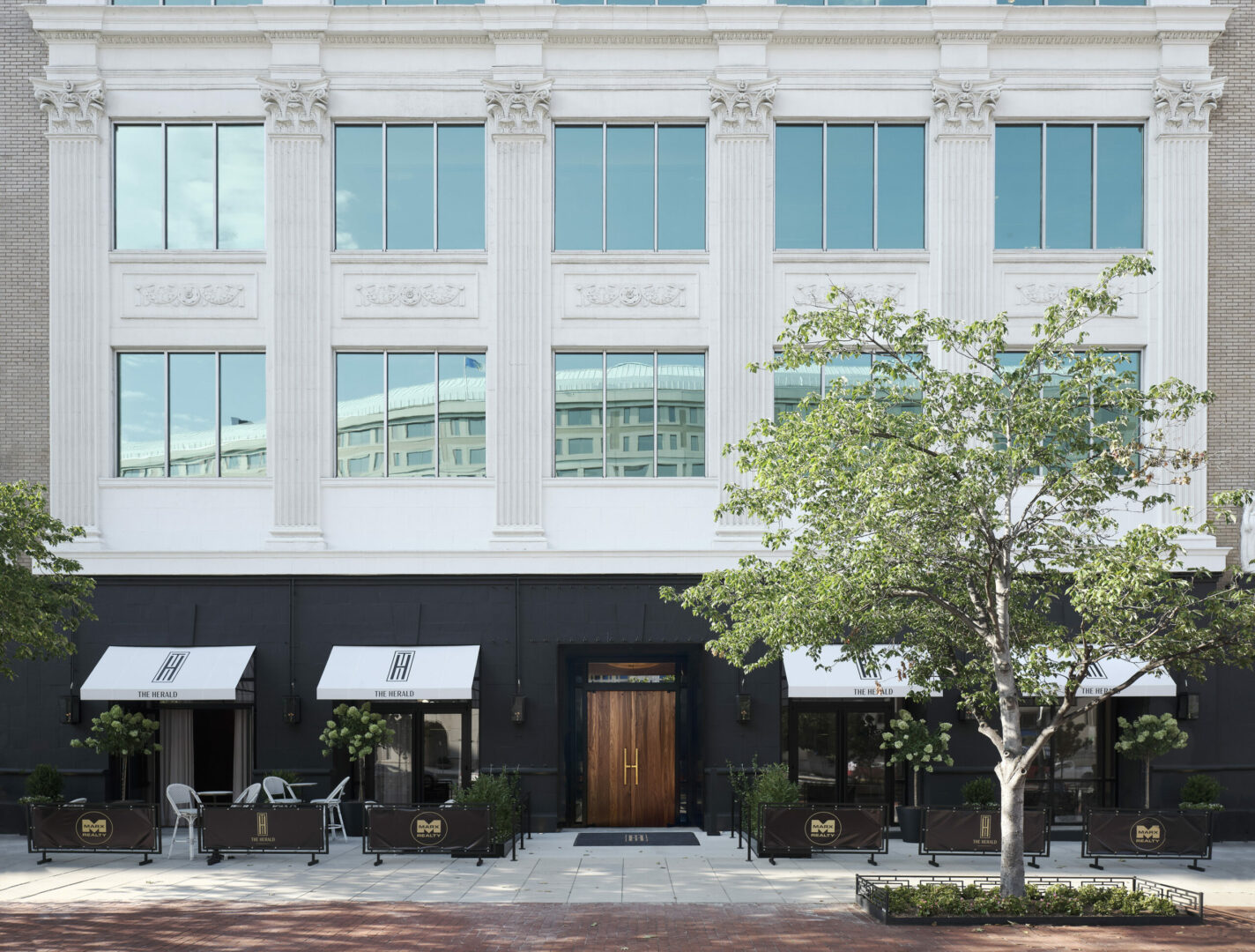
“We have received enthusiastic feedback from brokers and tenants based on our hospitality-infused aesthetic at The Herald,” said Craig Deitelzweig, CEO of Marx Realty. “The building is overflowing with the warmth, comfort and amenities reminiscent of the finest luxury hotels, while honoring the distinctive history of the building.”
FS Vector was represented by Steve Burman of JLL and SIOR was represented by Matt Levin of Transwestern. The Herald at one time was home to the offices and printing presses of the Washington Times-Herald.
DC’s The Herald Adds Two Tenants to Luxury Office Building
FS Vector, a financial services consulting firm, and theSociety of Industrial and Office Realtors(SIOR) have both committed to long-term leases atThe Heraldin Washington, D.C.
FS Vector inked a 5,700-square-foot space, and SIOR signed for 5,000 square feet. Asking rents were between $73 and $76 per square foot for these spaces, according to landlordMarx Realty.
Built in 1923 and acquired by Marx in April 2020, the 114,000-square-foot building is defined by a distinctive Beaux Arts design.
“We have received enthusiastic feedback from brokers and tenants based on our hospitality-infused aesthetic at The Herald,”Craig Deitelzweig, CEO of Marx Realty, said in a statement. “The building is overflowing with the warmth, comfort and amenities reminiscent of the finest luxury hotels, while honoring the distinctive history of the building. With its soaring ceiling heights and attention to every detail, The Herald is truly one of a kind.”
Located at1307 New York Avenue, the building features a new 40-seat boardroom, a European-style cafe and theBouvier Club, an 8,800-square-foot lounge that incorporates historic photos, curated artwork, newspaper-printing memorabilia and a fireplace.
Additionally, ownership recentlylaunched the Marx Mobile, a Tesla Y model that tenants can book for local trips.
“Marx pioneered this hospitality-like vibe in the office sector, and we are constantly hearing feedback about our impeccable attention to detail at The Herald,” Deitelzweig said. “Beyond our signature scent and mood music, the artwork throughout the space — including portraits of Jacqueline Kennedy Onassis, Barbara Bush and Ronald Regan — help to solidify a sense of ‘soul’ which is so crucial to Marx Realty and its properties.”
FS Vector was represented bySteve BurmanofJLL, while SIOR was represented byMatt LevinofTranswestern. Marx Realty was represented byEvan Behr,Nathan BeachandJeanette Koof JLL on both leases.
Law firm leaving Chrysler Building for 10 Grand Central Address: 10 Grand Central, Manhattan Landlord: Marx Realty Tenant: Lewis Baach Lease size: 7,000 square feet
Lease length: 10 years Asking rent: Between $72 and $90 per square foot Brokers: Prime Manhattan Realty’s Jonathan Anapol represented the tenant.
Lewis Baach, MetroWall sign leases at Midtown office tower
Lewis Baach Kaufmann Middlemiss, a law firm, and MetroWall, an interior glass wall firm, have signed 10-year leases in Manhattan’s Midtown office tower 10 Grand Central.
The Washington, D.C., law firm will occupy a 7,000-square-foot space on the 25th floor of the building. Lewis Baach is moving its New York City offices from the Chrysler Building.
MetroWall will be in a 4,000-square-foot space on the second floor of the building. The space will include a showroom.
Both tenants are expected to move in sometime during the summer.
Asking rents for the two deals ranged between $72 and $90 per square foot.Asking rents throughout the building range between $68 and $120 per square foot.
Prime Manhattan Realty’sJonathan Anapolrepresented Lewis Baach on that deal. MetroWall was represented by Handler Real Estate’sDarell Handler.
The Midtown office tower features a 7,500-square-foot indoor/outdoor lounge and club floor, a café with built-in appliances, and a 40-seat conference space.
Notable tenants include Dwayne Johnson’s production company, Seven Bucks Productions; insurance company MassMutual; and international news agency Agence France-Presse.
Marx Realty Signs 2 New Tenants at 10 Grand Central
Marx Realty — a New York-based owner, developer and manager of commercial real estate assets across the U.S. — announced the signing of two new leases at 10 Grand Central: Law firm Lewis Baach Kaufmann Middlemiss and glass partition manufacturer MetroWall will be moving into the 432,381-square-foot Midtown office space.
JLL’s Mitchell Konsker, Kyle Young, Simon Landmann, Carlee Palmer and Thomas Swartz represented the landlord in both deals.
Lewis Baach secured a 10-year lease agreement for 7,000 square feet of space across the entire 25th floor at 10 Grand Central. Asking rent was $90 per square foot. This deal will allow the firm to relocate from its previous location at the Chrysler Building, where it had occupied 7,348 square feet of space on the tower’s 64th floor. Handler Real Estate’s Darell Handler represented Lewis Baach in the lease.
Meanwhile, MetroWall inked a 10-year deal for 4,000 square feet on the second floor of 10 Grand Central. The move will mark the company’s first outpost in New York City, and MetroWall cited the building’s location and showroom as one of its most attractive features. Asking rent was $68 per square foot.
“Lewis Baach and MetroWall are great additions to the already exciting and dynamic tenant roster at 10 Grand Central,” said Craig Deitelzweig, president and CEO of Marx Realty. “The building’s hospitality-infused repositioning strategy continues to resonate with a broad spectrum of exceptional tenants and the market as a whole, making 10 Grand Central one of the most sought-after office offerings in Midtown.”
The tenant roster at the 35-story high-rise already includes: golf tour organizer LIV Golf; Dwayne “The Rock” Johnson’s production company, Seven Bucks Productions; insurance firm MassMutual; global asset manager Fin Capital; global independent fund manager DIF Capital Partners; venture capital firm Colibri Equity Ventures; and international news agency Agence France-Presse.
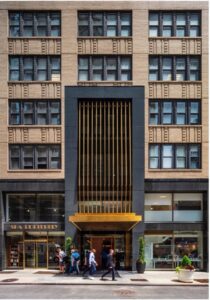
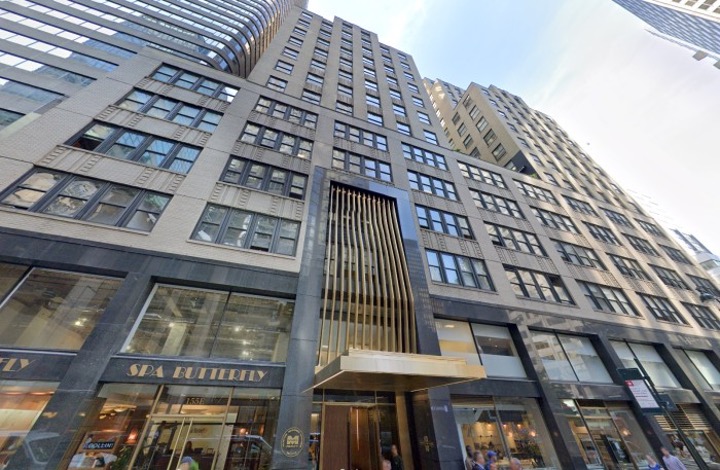
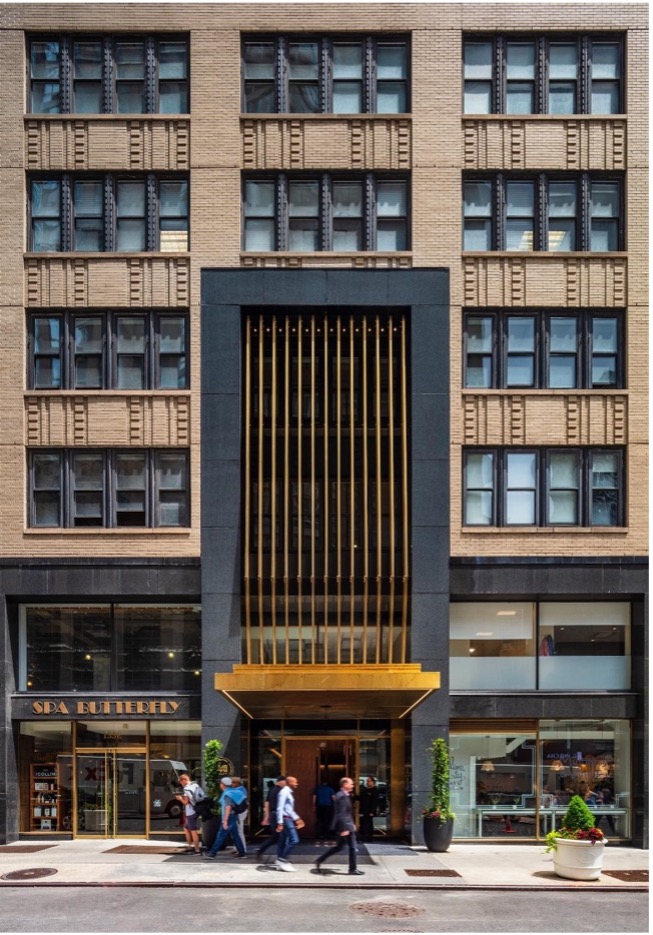
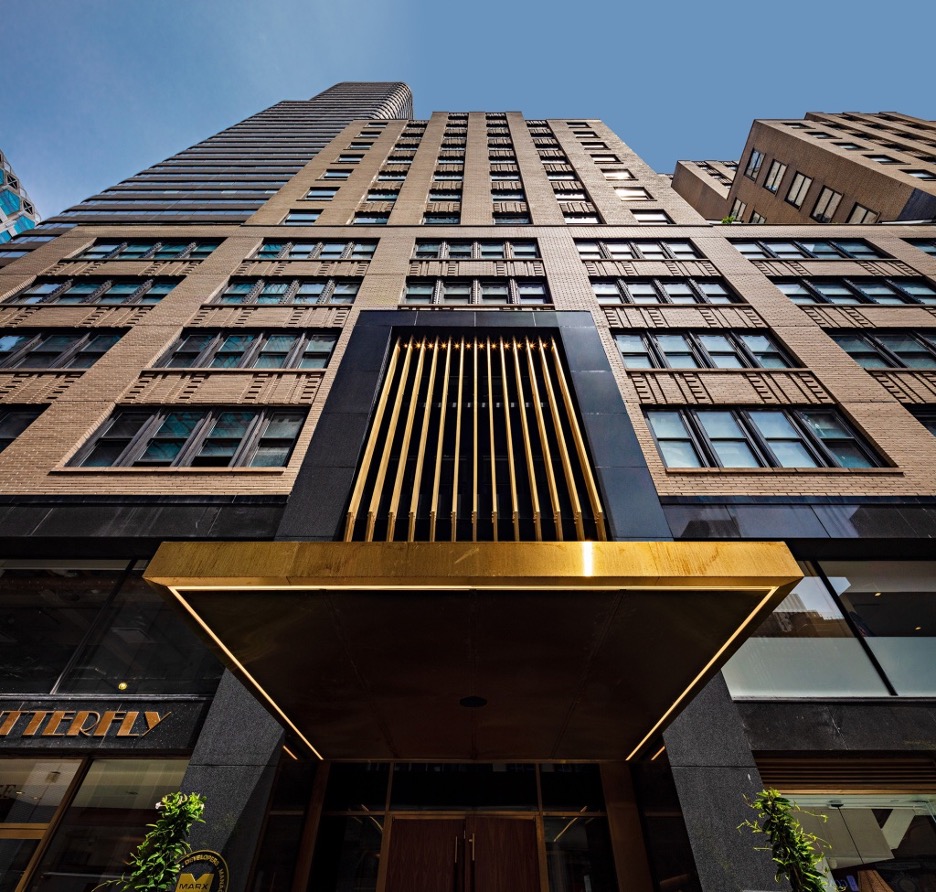
In 2019, 10 Grand Central underwent a $45 million renovation effort led by David Burns of Studios Architecture. Improvements included a new marquee with striking brass fins and oversized walnut doors; a new lobby featuring walnut wood and brushed brass; a 7,500-square-foot indoor/outdoor lounge and club; a 40-seat conference space and The Ivy Terrace; and an inviting outdoor terrace.
Marx Realty Signs Law Firm Lewis Baach and a Showroom for MetroWall at 10 Grand Central
(MNPP), a New York-based owner, developer and manager of office, retail and multifamily property across the United States, announced Lewis Baach and MetroWall have signed long-term leases totaling 11,000 square feet at 10 Grand Central. Law firm Lewis Baach is relocating from the Chrysler Building and signed a 10-year, 7,000-square-foot lease on the tower’s 25th floor. Glass wall interior firm MetroWall signed a 10-year, 4,000-square-foot lease on the second floor of the building; the space will also include a client showroom.
“Lewis Baach and MetroWall are great additions to the already exciting and dynamic tenant roster at 10 Grand Central,” said Craig Deitelzweig, president and CEO of Marx Realty. “The building’s hospitality-infused repositioning strategy continues to resonate with a broad spectrum of exceptional tenants and the market as a whole, making 10 Grand Central one of the most sought-after office offerings in Midtown.”
Lewis Baach was represented by Jonathan Anapol of Prime Manhattan Realty while MetroWall was represented by Darell Handler of Handler Real Estate. The leases asking rents ranged between $72 and $90 per square foot.
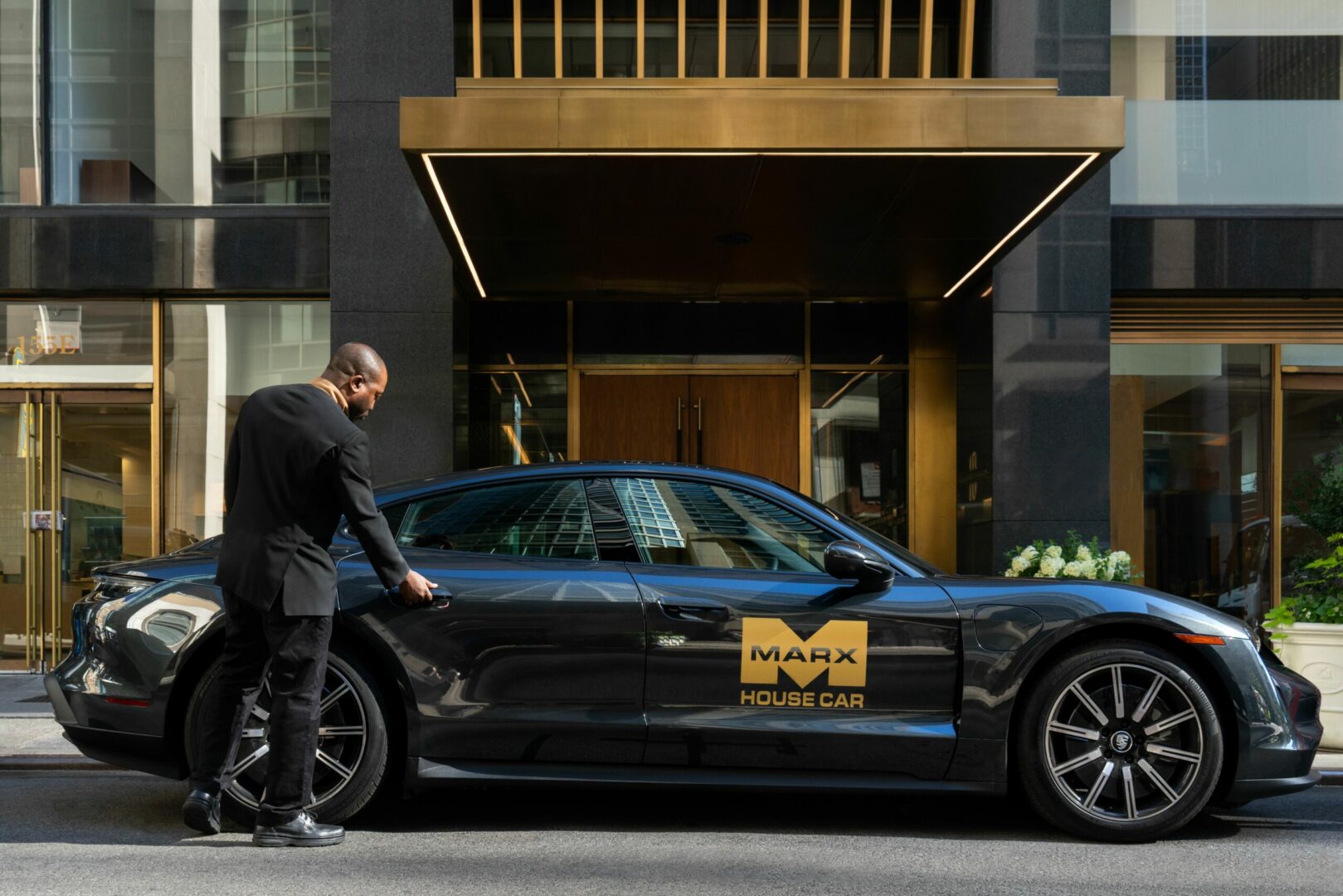
10 Grand Central underwent a $45 million hospitality-infused repositioning strategy in 2019. Among the Ely Jacques-Kahn-designed office tower’s most impressive features are the new façade’s soaring marquee with striking brass fins and oversized walnut doors, attended by a uniformed doorman; a sleekly styled lobby featuring walnut wood and brushed brass; as well as a 7,500-square-foot indoor/outdoor lounge and club floor boasting oversized artwork, a café complete with built-in appliances (including a gelato machine), a 40-seat conference space and The Ivy Terrace, an inviting outdoor space reminiscent of a 1930’s era garden party. 10 Grand Central also unveiled the Marx Mobile in 2022, a branded state-of-the-art luxury electric Porsche Taycan that will serve as the building’s house car. Marx Mobile is accessible to all the building’s tenants through the company’s proprietary MarxConnect software and will transport tenants as they traverse Manhattan.
“Marx Realty’s signature hospitality-infused repositioning strategy was ahead of its time as it created inspiring spaces and collaborative features that have since become a necessity in a post-pandemic office market landscape,” added Deitelzweig. “The leasing activity at 10 Grand Central and across the firm’s other assets at a national level confirm our approach has been key in appealing to remarkable tenants while offering an experience that will help tenants attract and retain employees.”
10 Grand Central has signed over 80,000 square feet of office and ground floor retail space in the last year; the building’s notable roster of tenants includes bank holding company Merchants Bancorp; real estate investment and management company Strata Equity Group; conference organizer for health innovation HLTH; golf investing and tour organizing company LIV Golf Inc.; weekly online news magazine The Week; real estate investment firm Benenson Capital Partners; Goldman Sachs-backed Crux Informatics; global asset manager Fin Capital; global independent fund manager DIF Capital Partners; and venture capital firm Colibri Equity Ventures. High-profile tenants also include Dwayne “The Rock” Johnson’s production company, Seven Bucks Productions (as reported by the New York Post); insurance giant MassMutual, and international news agency Agence France-Presse.
The redesign was led by David Burns, principal of Studios Architecture. JLL’s Mitchell Konsker, Benjamin Bass, Kip Orban, Carlee Palmer, and Thomas Schwartz are leading a team handling the leasing for Marx Realty. The building’s asking rents range between $68 and $120 per square foot
Marx Realty has signed Lewis Baach and MetroWall to long-term leases totaling 11,000 square feet at 10 Grand Central in Midtown Manhattan. Law firm Lewis Baach is relocating from the Chrysler Building and signed a 10-year, 7,000-square-foot lease on the tower’s 25th floor. Glass wall interior firm MetroWall signed a 10-year, 4,000-square-foot lease on the second floor of the building; the space will also include a client showroom.
“Lewis Baach and MetroWall are great additions to the already exciting and dynamic tenant roster at 10 Grand Central,” said Craig Deitelzweig, president and CEO of Marx Realty. “The building’s hospitality-infused repositioning strategy continues to resonate with a broad spectrum of exceptional tenants and the market as a whole, making 10 Grand Central one of the most sought-after office offerings in Midtown.”
Lewis Baach was represented by Jonathan Anapol of Prime Manhattan Realty. MetroWall was represented by Darell Handler of Handler Real Estate.
Address: 10 Grand Central, Manhattan
Landlord: Marx Realty
Tenant: MetroWall
Lease size: 4,000 square feet
Lease length: 10 years
Asset type: Office
Asking rent: Between $72 and $90 per square foot
Brokers: Handler Real Estate’s Darell Handler represented the tenant, and JLL’s Mitchell Konsker, Benjamin Bass, Kip Orban, Carlee Palmer and Thomas Schwartz represented the landlord.
In the larger of the two deals, Lewis Baach signed a 10-year lease to relocate from the Chrysler Building to 7,000 square feet on the entire 25th floor of 10 Grand Central, according to landlord Marx Realty. Asking rent was $90 per square foot.
The Washington, D.C.-based law firm opened its New York offices in 3,867 square feet at the Chrysler Building in 2013 and later expanded to a 7,348-square-foot space on the 64th floor of the tower, according to its website.
It plans to ditch the Chrysler Building in June and “fell in love” with 10 Grand Central thanks to amenities — which include a cafè, conference room and terrace — and “the whole look and feel of the building,” said Craig Deitelzweig, president and CEO of Marx Realty.
Handler Real Estate’s Darell Handler represented Lewis Baach in the lease. Handler and a spokesperson for Lewis Baach did not immediately respond to requests for comment.
Aside from Lewis Baach, MetroWall inked a 10-year deal to open its first New York City outpost in 4,000 square feet on the second floor of 10 Grand Central, Deitelzweig said. Asking rent was $68 per square foot.
The Congers, N.Y.-based company, which designs glass partitions for office buildings, jumped on a deal for the showroom and office space because of the building’s location, said tenant broker Jonathan Anapol of Prime Manhattan Realty.
“[It’s] an ideal Grand Central location,” Anapol said. “The space was very appealing for their showroom and for their architects and builders to visit them.”
JLL’s Mitchell Konsker, Kyle Young, Simon Landmann, Kip Orban, Carlee Palmer and Thomas Swartz handled both deals for the landlord. A spokesperson from JLL did not immediately respond to a request for comment.
Other tenants at the 35-story building at the corner of Third Avenue and East 44th Street include golf tour organizer LIV Golf, Dwayne “The Rock” Johnson’s production company Seven Bucks Productions and insurance firm MassMutual.


 FS Vector
 Marx Realty — a New York-based owner, developer and manager of commercial real estate assets across the U.S. — announced the signing of two new leases at 10 Grand Central: Law firm Lewis Baach Kaufmann Middlemiss and glass partition manufacturer MetroWall will be moving into the 432,381-square-foot
 Marx Realty has signed Lewis Baach and MetroWall to long-term leases totaling 11,000 square feet at 10 Grand Central in Midtown Manhattan. Law firm Lewis Baach is relocating from the Chrysler Building and signed a 10-year, 7,000-square-foot lease on the tower’s 25th floor. Glass wall interior firm MetroWall signed a 10-year, 4,000-square-foot lease on the second floor of the building; the space will also include a client showroom.

