When Every Bar Is a ‘Speakeasy,’ What Actually Is a Speakeasy?
April 14, 2026
Long after Prohibition, a few high-end cocktail bars show it’s still possible to retain their speakeasy forebears’ air of mystery and adventure.
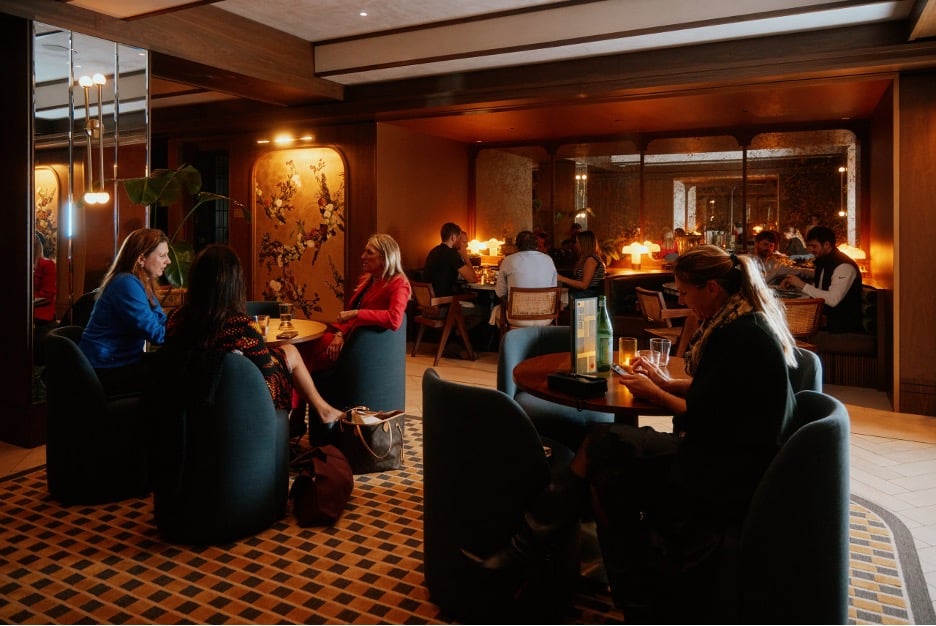
Inside Highball Ltd., a speakeasy-style bar in a Midtown Manhattan skyscraper. Elizabeth Arvelos Coetzee/WSJ
By Mark Ellwood
April 14, 2026 11:45 am ET
Just off a busy sidewalk in Midtown Manhattan, a red carpet leads to a freight elevator. You might not even notice it unless you first saw the red light shining on the sidewalk above a pair of nondescript black doors. Nearby, a discreet, retro-inflected brass plaque reads Highball Ltd. Step in and ride to the 11th floor and the confusion clears.
The brand new, 65-person cocktail bar is the brainchild of celebrated bartender Jeff Bell, known for his work at the pioneering Please Don’t Tell, or PDT, in New York’s East Village. When Bell was given the task of turning the tiny, nondescript room in Midtown into a buzzy destination, he immediately thought “speakeasy.”
To enter Highball Ltd., guests ride a freight elevator up to the 11th floor.
Elizabeth Arvelos Coetzee/WSJ
“People love when they’ve discovered a place, when it’s a journey to get to it,” he said. But a century after the term first emerged to describe the clandestine drinking dens of Prohibition, its meaning has blurred. When passwords are posted to Instagram and tables booked on an app, what is a speakeasy—and can it be anything more than a gimmick? A few places around the world offer some clues.
To be in-the-know
In the 1920s, at the height of Prohibition, speakeasies were far from elitist, according to Charlotte Voisey, who runs the New Orleans-based hospitality nonprofit Tales of the Cocktail. “They didn’t care who was there as long as they could keep selling liquor and having a good time.”
The 1990s cocktail revival introduced a layer of snobbery to speakeasy-style bars, long after any subterfuge was necessary. New spots were intended to cater to in-the-know drinkers of a different kind. “It was about dedication to cocktail culture, not just speakeasy mechanisms,” Voisey said. In other words, picky bartenders wanted to ensure their clientele consisted of drinkers primed to appreciate their efforts.
The epitome of this approach was New York’s Milk & Honey, which the late Sasha Petraske opened on the eve of the millennium in 1999 behind a facade that resembled a tailor’s shop (another, similarly craft-focused operation, Attaboy, still occupies the site). Long before likes and shares, there wasn’t a door policy exactly, but you could be subject to an unspoken, discreet screening at the host table.
Like many high-end bars, Highball focuses on reviving and riffing on classic cocktails.Elizabeth Arvelos Coetzee/WSJ
Reservations only—and a not-so-grand entrance
The arrival of social media forced operators to reimagine the word-of-mouth approach. Today, the places that call themselves speakeasies are about intentionality. Instead of texting the bartender, as you might have done 20 years ago, you’re expected to plan ahead enough to book a two-top on Resy.
That doesn’t mean there isn’t room for a little mystery. Famously, PDT is accessed via a phone booth which sits in the brightly lit Crif Dogs fast food joint next door.
Bell said the decision to create an alternative entrance was driven more by practicalities than theatricalities. By being attached to Crif Dogs, PDT could piggyback on the restaurant’s liquor license. But ask anyone who has been and they’re likely to lead with the thrill of picking up the receiver in the booth to enter.
This theatricality has become another earmark of the speakeasy genre. Raised by Wolves in San Diego sits behind a liquor store, accessible via a rotating seating area. The award-winning Florería Atlántico in Buenos Aires—which expanded to Washington, D.C. last fall—sits beneath a working florist, accessed via a staircase concealed by a fridge.
“It’s giving you permission to escape your day, because you’re walking through a literal or physical portal,” said David Kaplan, co-owner of New York’s Death & Co, where bowtie-clad bartenders serve elaborate cocktails behind a barely marked door.

 Contact